Plane Crashes
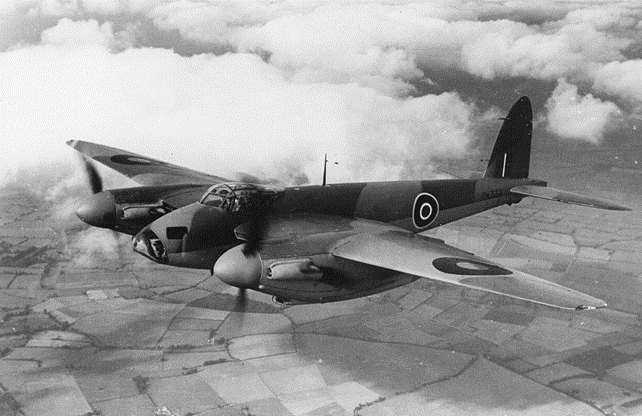
We know of a number of plane accidents over Longnor during the Second World War. Here are just three of them:
1:
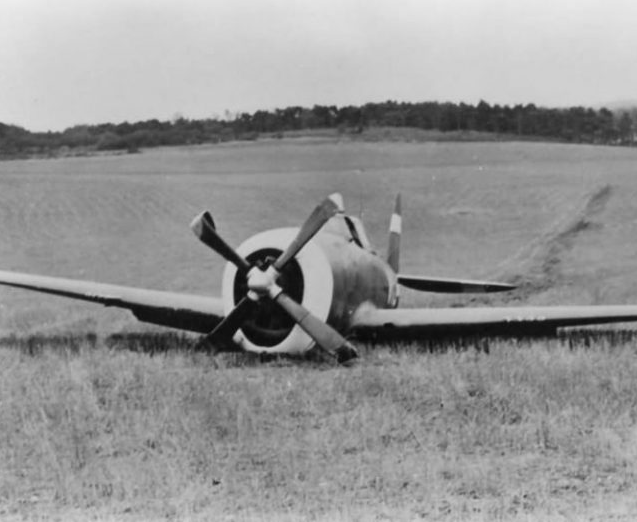
On 7 May 1944, a 23-year-old Nowegian trainee pilot with only 11 hours’ flying experience took off from RAF Condover and almost immediately got into trouble. His instructor, F/Sgt Charles Fraser, made an emergency landing in a field at The Farm…
“Engine failed at 500 feet, shortly after taking off for dual instruction flight, 7th May 1944. The instructor made a wheels-up landing in a field near Longnor (Map Ref 948218) at 10.45hrs.”
Trainee Langeland went on to fly many bombing raids and survived the war.
2:
On 19 August 1944 at 10am, two young airmen took off from RAF Wyton in Cambridgshire on a cross-country navigation training flight. They were John Pearce, aged 23, from Cheltenham, and Arthur Young, aged 20, from Tyne and Wear. Arthur had been commissioned only three months earlier. Around midday they flew to 28,000 ft. Sometime after that, over Shropshire, they went into a steep nose dive. It’s thought a violent bump had caused the plane to break up. The two men had no time to bail out and were killed. Debris from the plane was spread over a large area from Leebotwood to Downes’ Farm in Longnor. The accident card said:
“Lost control after violent bump threw pilot to roof. Violent bunt caused main plane to break off. Pilot not strapped in.”
Accident investigators weren’t sure, but thought the oxygen supply might have failed.
3:
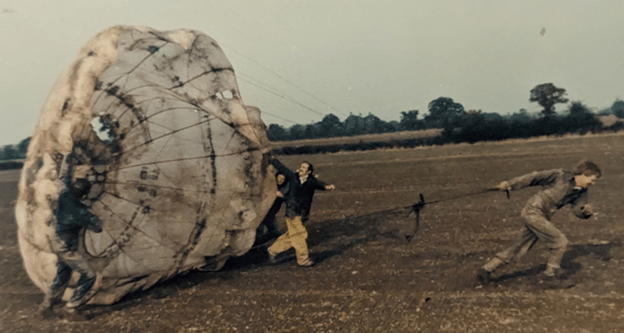
On 15 Oct 1944, six American pilots based at RAF Condover were practising dog-fighting over Longnor in their single-seater Thunderbolt aircrafts – filming themselves as they flew. One tilted his wings to make a tight climbing turn and caught the underside of the plane next to him. As his wing sheared off, he bailed out, parachuting safely to the ground. The plane crashed in Longnor Park. The accident card said:
“Had he been more observant and cleared the area properly before manouvering, he would have realised other aircraft were in the area and acted accordingly.”
His colleague limped safely back to Berriewood.
Unexploded Bombs
On 22 October 1940, 16 bombs fell around Longnor. The Shrewsbury Chronicle reported “as evidence of this incident a huge and perfectly round crater remains between the Caradoc and Little Caradoc”.
At least one bomb remained unexploded in the field near the Moat House. Grace Hands (nee Glanville) lived at number 17 Back Lane at the time, overlooking the bomb field, and told a BBC History project about the day they came to explode and clear the bombs:
John Downes remembers the story being passed down through the family:
“The Downes family were at Upper Farm at that time, and we called the field that runs north of the house ‘the Bom’ field’. I was told there were 14 bombs that were dropped – probably so they could get back to Germany, because they hadn’t dropped them over Coventry. I don’t know why they came this way. The bombs were dropped going straight down the farm, and the last ones were in a field we called ‘Poplars’ with the stream running through it. There were depression in the field where the bomb disposal people tried to dig them out.
They gave up with the one, it was buried so deep. They wouldn’t go so far down – they were probably worried about it collapsing. So they left it, saying, ‘It’s not going to hurt anybody, it’s too far down’. It might still be there.”
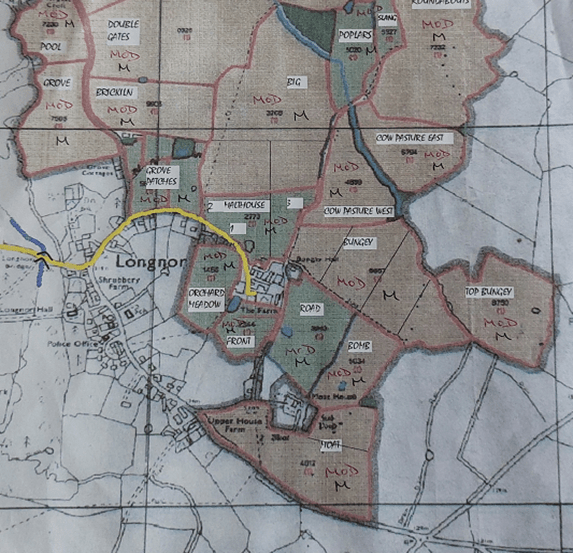
Shropshire was frequently bombed in WWII – either targeted attacks, or getting rid of loads returning from bombing raids. In Oct 1940 alone, Longnor, Shrewsbury and Allscott sugar beet factory were all bombed; while in Yockleton a goods train was machine gunned from a German aircraft which shot the lamp off the guard’s van.
 Longnor Village History