The Stone and Bronze Ages

After the Ice Ages, Britain suddenly warmed up – becoming warmer and wetter than today. Grassland animals like mammoths died out as woodland took over. At this point Shropshire became heavily wooded, but there were very few people.
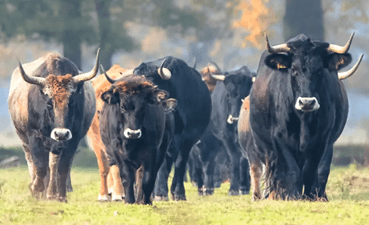
Animals such as deer, horses, aurochs (cattle), wild pigs, otters and beavers began to thrive in forests in Shropshire. And the number of people grew.
From around 4000 BC (New Stone Age) people turned from hunter-gatherers into farmers. They began to live in permanent settlements, lay out fields, and “develop the equipment necessary for farming such as axes, querns [stones to grind grain], sickles and pottery containers”.
Source: ‘The Farmer Feeds Us All’ A Short History Of Shropshire Agriculture by Paul Stamper

Some of the earliest evidence of Stone Age people in Shropshire comes from excavations at the Roveries settlement near Lydham, just north of Bishops Castle. They found a Stone Age hearth area and fragments of pottery.
There’s plenty of evidence that Bronze Age families in and around the Stretton valley kept animals – sheep, cows and dogs – and grew crops like rye, spelt and wheat.
Pollen evidence on the Long Mynd shows that Bronze Age people living in the wooded valleys moved with their animals up to the high grasslands for summer grazing.
The population of Britain doubled during the Bronze Age – from 250,000 to 500,000.
The Iron Age on the Lawley

There are two important Iron Age settlements on the Lawley.
At the northern end you can see ditches that mark out the boundary of a figure of eight enclosure.
It’s thought people lived here in family groups in wooden huts (around 4 to 6 metres across) on the flat ground in the enclosure. They kept their grain in huts on stilts, and kept their animals close by.
The enclosure may also have served as a meeting place.
The second settlement is trickier to see. 100 metres beyond the pole towards Caradoc is a long ditch (a cross dyke) running along the slope – probably a territorial boundary. There’s also a flat area (hut platform) where people lived.


Iron Age people on the Lawley looked out over a valley scattered with family-run farmsteads in woodland clearings.
Historic England lists our Lawley settlements as of national importance. A recent archaeological survey concluded that the ridgeline of the Lawley reveals evidence of “significant prehistoric activity”.

Iron Age people on the Lawley belonged to a tribe called Cornovii. Spread across the north west Midlands, the Cornovii’s tribal capital was The Wrekin – where about 2000 people lived.

As the climate deteriorated around the beginning of the Iron Age, resources became scarcer. People in the valleys built defensive ditches around their farmsteads to deter raiders and looters, while others took to the hills for safety.
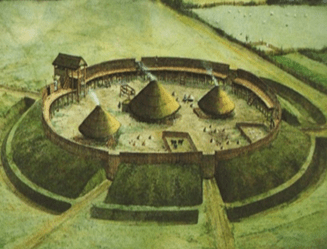
Meanwhile those on hilltops often turned their settlements into hill forts. Our Lawley settlements are quite rare as they were never turned into hill forts.
 Longnor Village History