Cockfighting
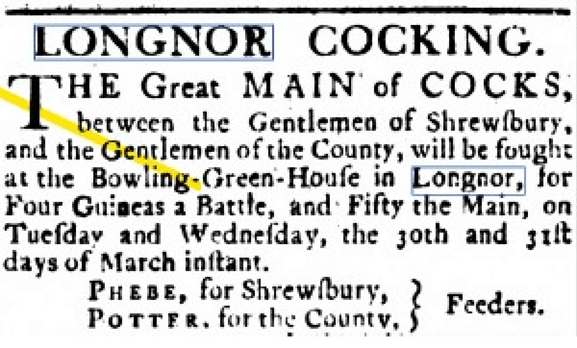
People found all sorts of horrible ways to entertain themselves in the late 1700s. Shropshire had bull-baiting, bear-baiting, cat-whipping and cockfighting to name a few.
These often took place at annual parties or ‘wakes’, when servants were given a day’s holiday to return to their home villages or towns to party with family and friends.
It was different for gentlemen. They had the leisure – and the money – to go cockfighting more often, as reported in Charlotte Burne’s book Salopian Shreds and Patches:
The wakes were often made the occasion of cockfights. In the dayswhen servants took holiday to attend this or that ‘cocking’.
Among the ‘gentlefolk’, matches were made up and fixed for any convenient season, like horse races, independent of other amusement.
The severest tests in the cockfighting calendar were the ‘Mains’. Usually only the best birds competed. Starting with 16 or 32 cockerels, they fought head to head in rounds, until only one was left standing. The birds had names like ‘Fearnought’, ‘Quicksilver’ and ‘Honest Robin’. Large sums of money were won and lost – 400 guineas for the winner is roughly £50,000 today.
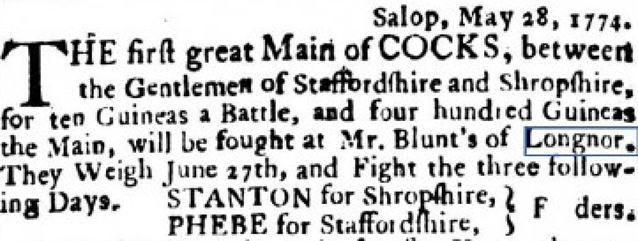
In the 1770s, frequent ‘cocking’ events were held in Longnor at Bowling Geen Inn (now the Roundabout house on the A49 opposite the turning). The cottages next to the Roundabout are called Cockpit Cottages.
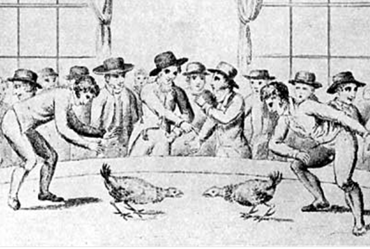
Three-day events involved one day of weighing in, followed by two days of fighting. ‘Feeders’ were bird trainers who were as highly respected as horse racing trainers, while ‘Setters-to’ went in the ring with the cockerels.
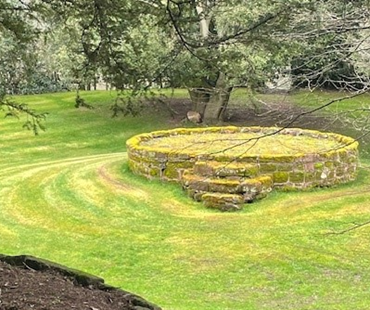
Wilberforce, the anti-slavery MP, also campaigned to outlaw cockfighting. The Cruelty To Animals Acts of 1835 and 1849 made cockfighting illegal, but didn’t stop it altogether.
Grow Your Own
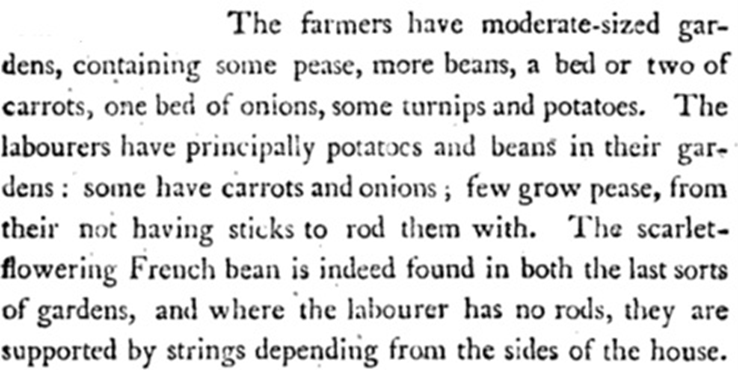
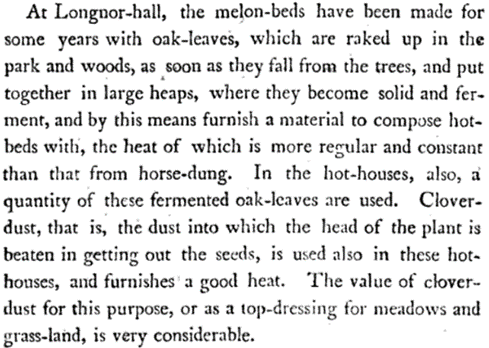
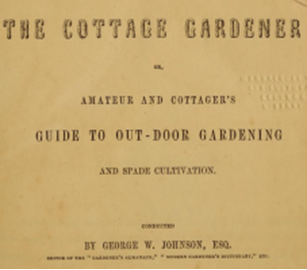
Growing your own was a way of life in Longnor in the 1800s. Reformers wanting to encourage better living conditions in rural areas, encouraged landowners to include land or a large garden when they rented out cottages, so that people could grow their own and keep a pig. In his role as advisor to the Board of Agriculture in 1803, Joseph Plymley reported on gardens in Longnor:

Requires Improvement
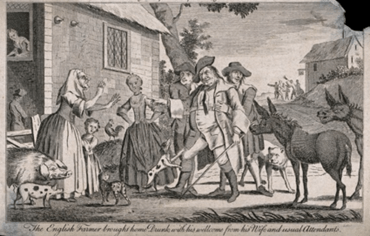
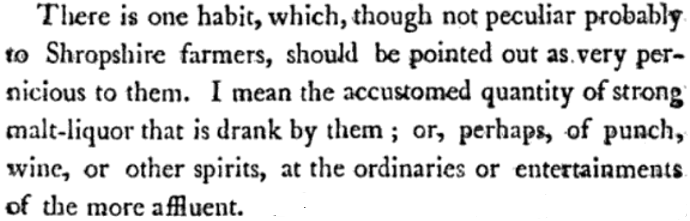
The late 18th, and 19th centuries were a period of reform. Genteel folk saw it as their duty to ‘improve’ the labouring classes. Longnor villagers were clearly under pressure to make better lifestyle choices.

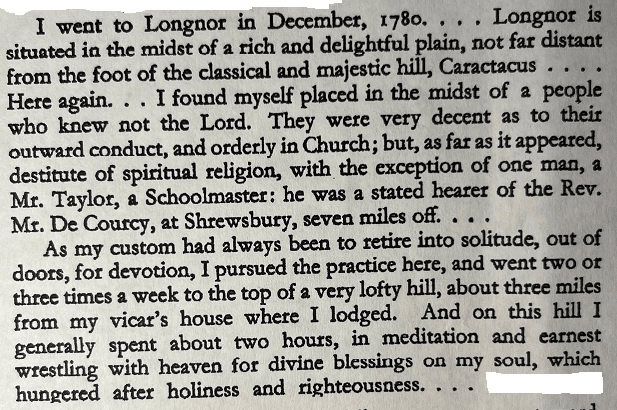
Memoir of the Rev Thomas Jones, by J Owen
 Longnor Village History